Raw Dog Food Safety: Handling, Storage, and Bacterial Risk
Raw meat carries bacterial risk, but simple handling practices manage it effectively. Here is everything you need to know about safe raw feeding.
The Actual Bacterial Risk
The primary pathogens in raw pet food are Salmonella, Listeria, E. coli O157:H7, Campylobacter, and, in pork and wild-caught fish, parasites like Trichinella and salmon poisoning flukes.
Healthy dogs with normal immune function handle most bacterial exposure remarkably well. Their stomach acid (pH 1-2, significantly more acidic than the human stomach pH of 1.5-3.5 after meals) kills the majority of bacteria that would hospitalize a human. Dogs also have shorter digestive tracts with faster transit times, which reduces the window for bacterial colonization.
The real risk isn't usually to the dog, it's cross-contamination to humans, particularly:
- Infants and young children who may come into contact with dog bowls, feeding areas, or the dog's mouth after eating
- Immunocompromised individuals (cancer patients on chemotherapy, organ transplant recipients, people with HIV/AIDS)
- Elderly household members with reduced immune function
The American Veterinary Medical Association (AVMA) recommends against raw pet food in households with these vulnerabilities. If your household doesn't include these risk factors, the bacterial concern is manageable with basic hygiene.
Safe Handling Protocol
Before Feeding
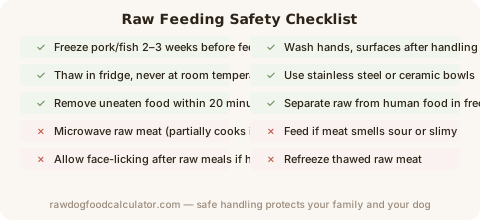
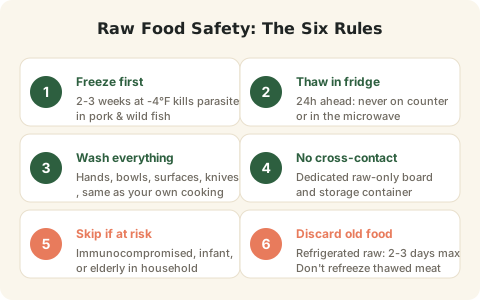
Thaw in the refrigerator. Never thaw raw meat at room temperature, bacterial growth accelerates dramatically above 40°F. A day's food thawed overnight in the fridge is safe. Thawing on the counter for hours creates a genuine bacterial hazard.
Freeze pork and wild-caught fish for 2-3 weeks at -4°F (-20°C) before feeding. Standard home freezers typically reach this temperature. This eliminates Trichinella in pork and the Neorickettsia helminthoeca fluke responsible for salmon poisoning disease in fish. Farmed fish (salmon, trout) from reputable suppliers has lower parasite risk but still benefits from freezing.
Don't microwave raw meat. Microwaving begins cooking the meat, which alters fat composition, denatures proteins, and creates hot spots that can burn your dog's mouth or throat. Thaw in the fridge or run the frozen portion under cool (not warm) water for a few minutes.
During Feeding
Use stainless steel, ceramic, or glass bowls. Plastic bowls harbor bacteria in microscopic surface scratches. Stainless steel is the gold standard, dishwasher-safe, non-porous, long-lasting.
Supervise bone meals. Raw meaty bones are safe for most dogs, but supervision is standard practice, particularly for new raw feeders learning their dog's chewing style. See our raw meaty bones guide for size-appropriate bone recommendations.
Remove uneaten food within 20 minutes. Raw meat left at room temperature begins bacterial proliferation after 2-4 hours. Most dogs eat promptly; those that graze need the food removed and refrigerated if they haven't finished.
After Feeding
Wash hands thoroughly with soap and water. Not hand sanitizer alone, soap physically removes bacteria. This applies after handling raw meat, filling bowls, and touching the dog immediately after their meal.
Sanitize feeding surfaces. A dilute bleach solution (1 tablespoon bleach per gallon of water) or a commercial food-safe sanitizer on counters, cutting boards, and bowls used for raw food prep.
Wash dog bowls daily. After each raw meal, bowls go into the dishwasher or are hand-washed with hot soapy water and rinsed thoroughly.
Manage post-meal dog contact. Dogs carry pathogen residue on their mouth and paws after eating. In households with infants or immunocompromised individuals, limit face-licking contact for 30-60 minutes after meals. This isn't about fear, it's straightforward risk management.
Freezer Management
A separate chest freezer for raw pet food ($150-250) is standard among serious raw feeders and solves several problems:
- Keeps raw pet food separate from human food (reducing cross-contamination)
- Allows bulk buying (significant cost savings, see our raw food cost guide)
- Provides space for the 2-3 week freeze of pork and fish
- Enables batch prep of 1-2 weeks of food at once
Label everything with date of packaging. Raw meat stays good in the freezer for 3-6 months for most proteins. Organ meat should be used within 3 months. Thawed raw meat kept in the fridge should be used within 2-3 days.
What "Spoiled" Raw Meat Looks Like
Raw meat is not kibble, it has a shorter shelf life and distinctive sensory characteristics. Knowing what's normal vs. what's concerning:
Normal:
- Some odor, raw meat has a smell; this is expected
- Slight color change after thawing, beef turns darker; this is myoglobin oxidation, not spoilage
- Some surface moisture, normal
Concerning:
- Sour, sulfur-like, or strongly "off" smell, this indicates bacterial overgrowth
- Slimy texture, bacterial biofilm forming
- Green or unusual discoloration
- Meat that's been thawed for 4+ days in the fridge
If in doubt, discard. Raw dog food is not expensive enough to risk a sick dog over.
Bacterial Resistance in Dogs vs. Humans
One commonly misunderstood aspect of raw feeding: dogs are genuinely more resistant to the bacteria in raw meat than humans are. This isn't anecdote, it's biology.
Canine stomach acid (pH 1-2 fasting, 1.5-2.5 post-meal) is significantly more acidic than human stomach acid (1.5-3.5). This extremely acidic environment kills most pathogenic bacteria before they can establish in the gut. Dogs also have a shorter intestinal transit time (8-10 hours vs. 24-72 hours in humans), reducing colonization opportunity.
This doesn't mean dogs can't get sick from contaminated raw food, they can, particularly from Salmonella at high enough concentrations. But healthy dogs are far less vulnerable than the bacterial load in raw meat might suggest to a human who knows what those bacteria can do to people.
The AVMA Position and Its Limitations
The American Veterinary Medical Association (AVMA) issued a policy in 2012 discouraging raw pet food due to bacterial and parasitic risks. They've maintained this position since.
The policy is grounded in real public health concerns and applies most strongly when the household vulnerability factors above are present. It isn't universally accepted in the veterinary world, though. Some nutritionists and raw feeding advocates argue the AVMA doesn't weigh raw feeding's health benefits against the bacterial risk, and that a blanket recommendation ignores how different households actually live with their dogs.
If you're in a healthy household without vulnerable members and practice basic food safety, the AVMA's concerns, while valid, don't translate into an absolute prohibition in practice. Make an informed decision with your vet.
For more on getting the right ratios and portions for your raw-fed dog, use our raw dog food calculator. For a complete diet framework, read our BARF diet guide.