Raw Meaty Bones for Dogs: Safe Choices and Guidelines
Raw meaty bones make up 10% of a raw diet and deliver calcium, phosphorus, and dental benefits. Learn which bones are safe by dog size and what to avoid.
Why Raw Meaty Bones Are Different From Cooked Bones
The number one rule in raw feeding: cooked bones are dangerous, raw bones are generally safe. This isn't a nuance, it's the fundamental distinction.
Cooking changes the molecular structure of bone, making it brittle. A cooked chicken leg bone will splinter under bite pressure into sharp shards that can lacerate the esophagus, stomach, or intestines. Dogs have been hospitalized and killed by cooked bones. This includes grilled, boiled, baked, and smoked bones.
Raw bone is flexible and pliable. A dog with appropriate chewing technique will crush and consume a raw chicken back in minutes, no shards, no danger. The bone gets ground into small paste-like pieces that the stomach acid (much more acidic than humans') dissolves completely.
This is what raw meaty bones (RMBs) are: raw, meaty pieces of animal with bone attached, soft enough to be consumed entirely.
What Makes a Good RMB
The "meaty" part matters. An RMB isn't a bare bone, it's a piece of animal that happens to contain bone within muscle and connective tissue. Chicken backs have meat on them. Turkey necks are encased in muscle. Duck frames have rib meat attached.
A bare marrow bone from a beef femur is a chewing toy, not a food. It won't be fully consumed, it can crack teeth, and it doesn't deliver a useful calcium dose proportional to the diet.
Good RMBs are:
- Fully consumable, the dog eats the whole thing, meat and bone together
- Appropriately sized, too small is a choking risk; too large and the dog can't break it down
- Raw, never cooked, never smoked, never dried by heat
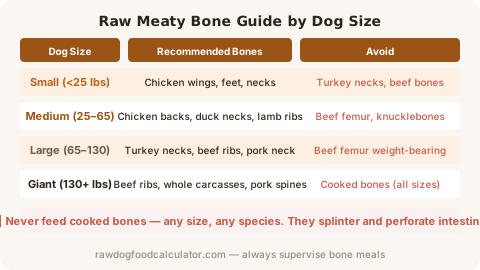
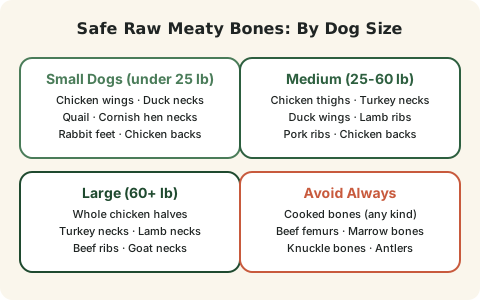
Safe RMBs by Dog Size
Small Dogs (Under 25 lbs)
- Chicken wings, one of the best choices; soft, fully consumable, universally available
- Chicken feet, unusual texture but excellent source of collagen and glucosamine; most small dogs love them
- Chicken necks, appropriate for dogs 10 lbs+; softer than wing sections
- Rabbit pieces, if available; rabbit legs and ribs are ideal for small breeds
Avoid: turkey necks (too large), beef ribs (too hard), any weight-bearing bones from large animals.
Medium Dogs (25-65 lbs)
- Chicken backs, excellent; large enough to force chewing, soft enough to consume completely
- Duck necks, meaty, great dental action, widely available through raw pet food suppliers
- Lamb ribs, softer than beef ribs; consumable for medium dogs with good jaw strength
- Pork neck bones, cheap and widely available; most medium dogs handle them well
- Rabbit carcasses, if you can source whole or halved rabbits, ideal for medium breeds
Avoid: beef femur/knuckle bones (too hard, crack teeth), marrow bones (not consumable, dense).
Large Dogs (65-130 lbs)
- Turkey necks, the gold standard for large breeds; meaty, thick, excellent dental benefit
- Beef ribs, rib bones are soft enough for most large dogs to consume; brisket bones are ideal
- Pork spines/neck, cheap, meaty, good for large dogs
- Whole chicken or rabbit, many large dogs enjoy and can consume a whole chicken at one sitting
Avoid: beef femurs, knucklebones, marrow bones, even large dogs can crack teeth on these.
Giant Breeds (130 lbs+)
Giant breeds like Great Danes, Mastiffs, and Newfoundlands need very large bones to avoid swallowing pieces whole. Whole raw carcasses (rabbit, chicken, small pigs) are ideal. Beef ribs in large sections work well. Some giant breed owners feed pork shoulder sections.
Supervise all bone meals for giant breeds, their jaw strength means they can fracture even bones that might be safe for smaller dogs.
Dental Benefits of Raw Meaty Bones
This is one of the most compelling arguments for RMBs beyond their nutritional role. Dogs on raw diets with regular bone feeding have dramatically better dental health than kibble-fed dogs.
The mechanical action of gnawing, crushing, and shearing meat from bone removes plaque and tartar naturally. Studies comparing raw-fed dogs to kibble-fed dogs consistently show lower rates of periodontal disease in raw-fed animals.
The American Veterinary Dental College acknowledges that raw bones are among the most effective methods of plaque removal in dogs, though they also note the risk of tooth fracture on weight-bearing bones. This is the distinction: appropriate RMBs help teeth; inappropriate hard bones damage them.
How Often to Feed Bones
Most raw feeders include RMBs in most meals as the bone component of the diet. Some feed bone-in meals 4-5 times per week and give boneless meat the other days. Both approaches work if weekly bone intake averages around 10%.
Don't exceed 15% bone in the diet long-term, it causes constipation and chalky white stools. The calcium-phosphorus balance tips toward excess calcium, which causes the stool to calcify quickly after passing.
If your dog's stools are white and chalky: reduce bone intake. If stools are very loose and dark: you may need more bone to firm them up. This is the immediate feedback loop that raw feeders use to tune their ratios.
Calculating Your Dog's Bone Needs
For a 65 lb adult Labrador on BARF at 2.5% body weight:
- Total daily food: 65 × 0.025 × 16 = 26 oz/day
- 10% of 26 oz = 2.6 oz raw meaty bone per day
That's roughly one chicken wing per day, or half a turkey neck every other day.
Use our raw feeding calculator to get your dog's exact bone allocation by weight. For a complete breakdown of all diet components, read our BARF diet guide. To learn about the other essential components of raw feeding, see our organ meat guide.