Raw Feeding for Senior Dogs: Portions and Adjustments
Senior dogs (7+ years) need 1.5-2% of body weight in raw food, leaner proteins, softer bones, and more frequent smaller meals. Here is how to adapt.
When Is a Dog "Senior"?
The conventional cutoff is 7 years old, but this varies significantly by breed and size.
Small breeds (Chihuahuas, toy poodles) don't show senior signs until 9-10 years. They're often still highly active at 7. Large breeds (German Shepherds, Labs) show metabolic and joint changes much earlier, some are functionally senior by 6. Giant breeds (Great Danes, Mastiffs) can be senior by 5-6 years.
Rather than going purely by age, watch for behavioral and physical signals: slower recovery after exercise, stiffening joints in the morning, weight gain without diet change, reduced thirst (can indicate kidney changes), or any change in coat quality or energy levels.
Why Senior Dogs Need Different Feeding
Three physiological changes define senior dog nutrition:
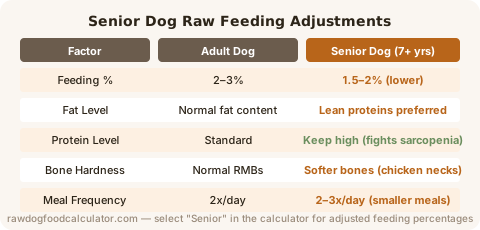
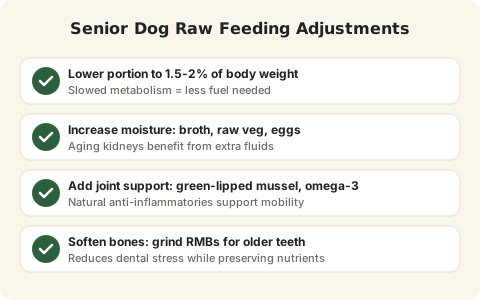
1. Reduced metabolic rate. Senior dogs burn fewer calories than their younger counterparts. Feed the same as an active adult and weight gain follows. Lower the feeding percentage to 1.5-2% (down from 2-3% for adults).
2. Reduced digestive efficiency. The gut's ability to absorb nutrients from food declines with age. This is partly why senior dogs often look worse on kibble over time, they're less able to extract what's in the food. Raw food, being more bioavailable (no heating, no processing), is often especially beneficial for seniors precisely because of this.
3. Sarcopenia, age-related muscle loss. This is the counter-intuitive part: senior dogs need more protein per pound of body weight, not less, to maintain muscle mass. Many commercial senior kibbles are lower in protein based on outdated concern about kidney disease. Current veterinary nutrition research (including work published by the Journal of Veterinary Internal Medicine) suggests this was largely unfounded for dogs without pre-existing kidney disease. Maintain or increase protein in senior raw diets.
Adjusting the Raw Diet for Senior Dogs
Feeding Percentage
Start at 2% of current body weight and adjust based on body condition score. If your dog is losing muscle mass despite adequate food, increase to 2.5%. If they're gaining fat, decrease to 1.5%.
A 50 lb senior dog at 2%: 50 × 0.02 × 16 = 16 oz per day
The same dog as an active adult at 2.5%: 50 × 0.025 × 16 = 20 oz per day
That 4 oz per day difference equals nearly 2 lbs of extra food per month, meaningful for weight management in a less active dog.
Select "Senior" in our raw food portion calculator to automatically apply the right percentage for your dog's activity level.
Protein Sources
Lean proteins become more important as dogs age. Senior dogs with reduced liver and kidney function can be stressed by excessive saturated fat. Lean options:
- Chicken breast (lowest fat)
- Turkey breast or ground turkey (extra lean)
- Rabbit (naturally lean and highly digestible)
- Whitefish, also provides omega-3s, which are anti-inflammatory
- Venison (very lean, excellent for seniors with allergies or weight issues)
Continue rotating proteins, nutritional variety doesn't decrease in importance with age. If anything, seniors benefit more from fish-based meals for the anti-inflammatory omega-3s.
Bones
Dental disease is common in senior dogs, and the bones they've chewed safely for years may become problematic if teeth have weakened. Check your dog's teeth before every bone meal, any signs of cracked, loose, or infected teeth require a vet check before continuing RMBs.
Switch to softer bones for seniors:
- Chicken necks (gentlest)
- Duck necks
- Sardines (whole, raw, tiny edible bones, excellent for seniors)
- Ground bone in commercial raw grinds if dental issues make whole bones unsafe
Bone content itself doesn't need to change dramatically, still target 10% of the diet from bones. Just soften the delivery method.
Meal Frequency
Senior digestive systems work better with smaller, more frequent meals. Three meals per day instead of two eases the digestive burden and helps maintain blood sugar stability. For very elderly dogs, four small meals spread throughout the day may be appropriate.
Don't just divide the two meals in half, the dog needs the same daily total, just in smaller portions.
Supplements for Senior Raw-Fed Dogs
A properly built raw diet doesn't need extensive supplementation, but a few additions are particularly useful for older dogs:
Fish oil (omega-3s): Anti-inflammatory properties help with the arthritis that affects most senior dogs to some degree. Feed 1-2 small sardines in spring water 2-3 times per week, or use a high-quality fish oil supplement (EPA/DHA combined, not just omega-3 from plant sources). Consult dosing guidelines from your vet.
Glucosamine and chondroitin: While there's debate about efficacy from supplements, feeding chicken feet (high in natural glucosamine) and trachea (high in chondroitin) provides these joint-supporting compounds in bioavailable form. Many raw feeders report improved mobility in senior dogs after adding these.
Digestive enzymes: Some senior dogs benefit from added digestive enzymes, particularly if they've had any history of pancreatic issues. Feeding fresh pancreas (a secreting organ) provides natural enzymes. Alternatively, commercial canine digestive enzyme supplements can help.
Probiotics: Gut bacterial populations change with age. Occasional supplementation with canine-specific probiotics (not human products) supports microbiome diversity. Fermented vegetables like raw sauerkraut in very small amounts (1 tsp for a 50 lb dog) can also support gut health if the dog tolerates them.
Example: 10-Year-Old Golden Retriever, 65 lbs
Using our calculator with Senior + Low Activity:
- Feeding percentage: 1.5%
- Total daily food: 65 × 0.015 × 16 = 15.6 oz (just under 1 lb)
- Muscle meat: 10.9 oz (lean chicken and turkey)
- Raw meaty bones: 1.6 oz (chicken necks or sardines)
- Liver: 0.8 oz
- Other organ: 0.8 oz
- Vegetables (BARF): 1.6 oz
Compare this to the same dog at active adult (2.5%): 26 oz, nearly 10 oz more per day. The senior with joint issues moving less needs significantly less food to maintain a healthy weight.
Monitor body condition monthly. Senior dogs can shift weight faster than adults, and their optimal weight range may narrow as muscle mass decreases and fat percentage shifts.
When to Consult a Vet
Raw feeding is generally safe for healthy senior dogs, but certain conditions require professional guidance:
- Kidney disease: Dogs with chronic kidney disease (CKD) need phosphorus restriction. A raw diet for a dog with CKD requires veterinary or veterinary nutritionist input to avoid accelerating kidney deterioration.
- Cardiac disease: Dogs with heart disease often need sodium restriction and potentially taurine supplementation.
- Diabetes: Raw diets can significantly improve glucose regulation in diabetic dogs, but blood sugar monitoring must increase substantially during the transition.
- Cancer: Raw feeding oncology cases is an area of active discussion; consult an oncology-informed vet.
For most healthy senior dogs, the shift to raw (or continuation of raw through senior years) is beneficial. The improvements in coat quality, dental health, digestion, and energy levels that owners report in senior raw-fed dogs are consistent and well-documented in the raw feeding community.
For younger dogs just starting out, see our BARF diet guide and raw feeding calculator. For puppies, check our puppy raw feeding guide.