Prey Model vs BARF: Which Is Right for Your Dog?
Prey Model and BARF are both raw diets, but they differ on one key point: vegetables. Here is how to choose based on your dog.
The Core Difference
The debate between Prey Model raw feeding and BARF has been going on since the early 2000s. Strip away the philosophy, and it comes down to one question: do domesticated dogs benefit from vegetables in their diet?
BARF says yes. Dogs scavenge. They eat berries, grass, partially digested plant matter from prey stomach contents, and seasonal produce when available. Vegetables add fiber, phytonutrients, and antioxidants that support gut health and cellular protection.
Prey Model says no. Dogs are carnivores, not omnivores. Their digestive tract can't break down plant cellulose efficiently. The nutrients in vegetables are largely inaccessible in raw form and unnecessary if the animal-food components are right.
Both sides cite evidence. Both produce healthy dogs when done properly. The difference in real-world outcomes for the average companion dog is small.
The Ratios
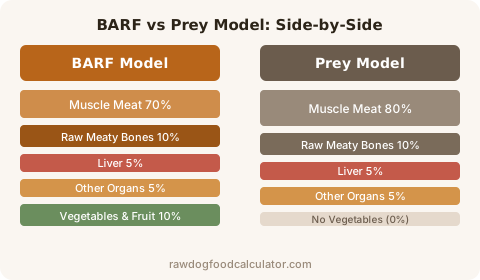
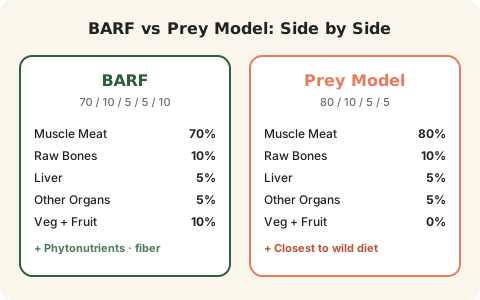
| Component | BARF | Prey Model |
|---|---|---|
| Muscle Meat | 70% | 80% |
| Raw Meaty Bones | 10% | 10% |
| Liver | 5% | 5% |
| Other Secreting Organs | 5% | 5% |
| Vegetables & Fruit | 10% | 0% |
The 10% that BARF allocates to vegetables gets reassigned to muscle meat in Prey Model. Everything else stays the same.
To calculate exact ounce amounts for either model, use our raw dog food calculator, select BARF or Prey Model in the feeding model dropdown and it handles the breakdown automatically.
Arguments for BARF
Fiber supports gut motility. Dogs on raw diets can develop sluggish bowel movements due to the absence of insoluble fiber that kibble typically provides. Small amounts of pureed or lightly cooked vegetables restore this.
Antioxidants from plants. Blueberries, spinach, and broccoli provide polyphenols and flavonoids that reduce oxidative stress. While dogs produce some antioxidants endogenously, dietary sources provide useful insurance, particularly for working dogs and older dogs with higher oxidative loads.
Phytonutrients. Cruciferous vegetables (broccoli, kale, cabbage) contain sulforaphane compounds studied for anti-cancer properties in companion animals. This isn't conclusive, but the concern is real enough that many holistic vets include them in canine nutrition protocols.
Digestive enzyme supplementation. Prey animals' stomach contents include digestive enzymes from plant material. BARF practitioners argue that including pureed greens partially replicates this function.
Arguments for Prey Model
Dogs can't digest cellulose. Unlike humans, dogs lack the amylase activity needed to break down complex plant carbohydrates efficiently. Raw whole vegetables pass largely undigested, you can see them in the stool. Even lightly steamed or pureed vegetables are only partially available.
The amino acid profile from meat is complete. Animal protein provides all essential amino acids dogs need. There's no missing nutrient that only plants can supply.
Simpler sourcing and preparation. No vegetables to buy, prep, or rotate. For busy households feeding large dogs, removing the plant component genuinely simplifies the weekly routine.
Historically accurate. Wild wolves and feral dogs eat primarily animal matter. The stomach content argument is sometimes overstated, many prey animals have nearly empty stomachs at the time of kill.
Which Dogs Do Better on Each?
Dogs that often do better on BARF:
- Dogs with chronic constipation (fiber helps)
- Dogs that struggle to maintain weight (higher vegetable volume adds bulk without excess protein)
- Dogs with older, slower metabolisms where antioxidant support is useful
- Multi-dog households where variety in meals makes management easier
Dogs that often do better on Prey Model:
- Dogs with inflammatory bowel disease (IBD), plant matter can aggravate inflamed gut tissue
- Dogs with known food sensitivities to specific vegetables
- Dogs that refuse vegetables regardless of preparation method
- High-drive working dogs where caloric density from muscle meat is a priority
There's no universal right answer. If your dog thrives on BARF, excellent. If they do better without vegetables, go Prey Model. Watch body condition score, coat quality, stool consistency, and energy levels, those are your feedback signals.
What About Hybrid Approaches?
Many experienced raw feeders don't follow either model rigidly. They use Prey Model math but occasionally add berries, fermented vegetables, or small amounts of leafy greens. Or they follow BARF ratios but cycle off vegetables for a week when a dog has digestive issues.
The framework is the tool. The dog is the measure.
Getting the Ratios Right
Whichever model you choose, accuracy in portioning matters. A diet that's 85% muscle meat and 15% bone sounds close to Prey Model but delivers excess calcium and insufficient organ nutrition. Use our BARF and Prey Model calculator to generate daily ounce amounts by component, enter your dog's weight, life stage, and activity level, then toggle between models to see the difference.
For a complete breakdown of each component's role in the diet, read our BARF diet guide. For help sourcing the trickiest ingredients, see our organ meat guide for dogs.